Address
No.34 Weimin Road,Dongcheng District,Dongguan City,Guangdong Province,China
Whatsapp
+86 13829129089

Address
No.34 Weimin Road,Dongcheng District,Dongguan City,Guangdong Province,China
Whatsapp
+86 13829129089
We understand that a successful manufacturing project relies on the ultimate control over quality, cost, and time. That is why we are fully committed to delivering three core values to our global customers:
Utilizing precision engineering and rigorous quality control processes, we ensure that every stamped component delivers exceptional durability, perfectly meeting or even exceeding your strictest tolerances and performance requirements.
Thanks to our highly automated stamping production lines, we significantly improve material utilization and reduce per-unit costs when handling high-volume, large-scale production needs—ensuring you get the maximum value out of every budget.
Leveraging our robust production capacity and optimized scheduling, we offer rapid prototyping and high-efficiency mass production. We shorten lead times without compromising quality, helping your products seize market opportunities ahead of the competition.
Changye works with a wide range of materials to meet your specific application requirements.
Engineering review first, every step traceable — the certainty and controllable cost that “one-stop” brings.
Engineering team validates drawings, optimizing cost and manufacturability
Precision cutting via laser, stamping or shearing
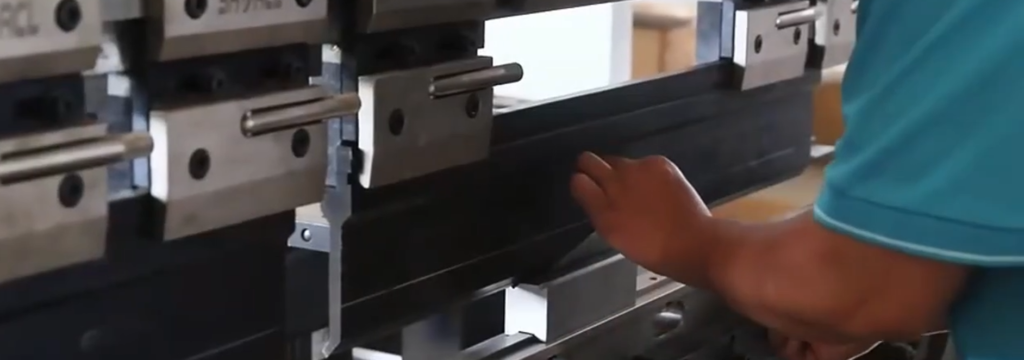
CNC brake shapes the 3D structure
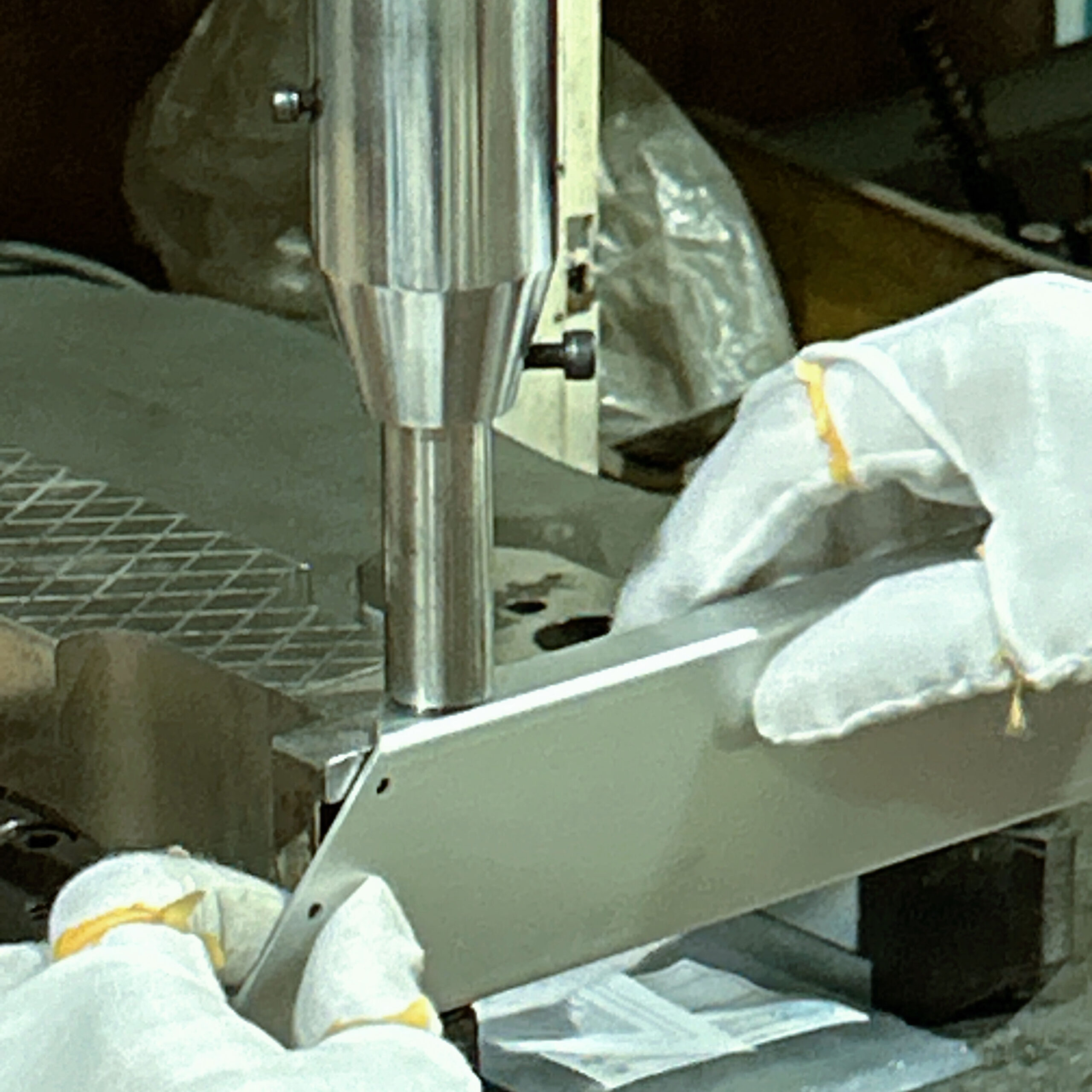
Welding, riveting and fastener joining
Powder, anodize or plating protection
Full inspection, packaging and direct shipment
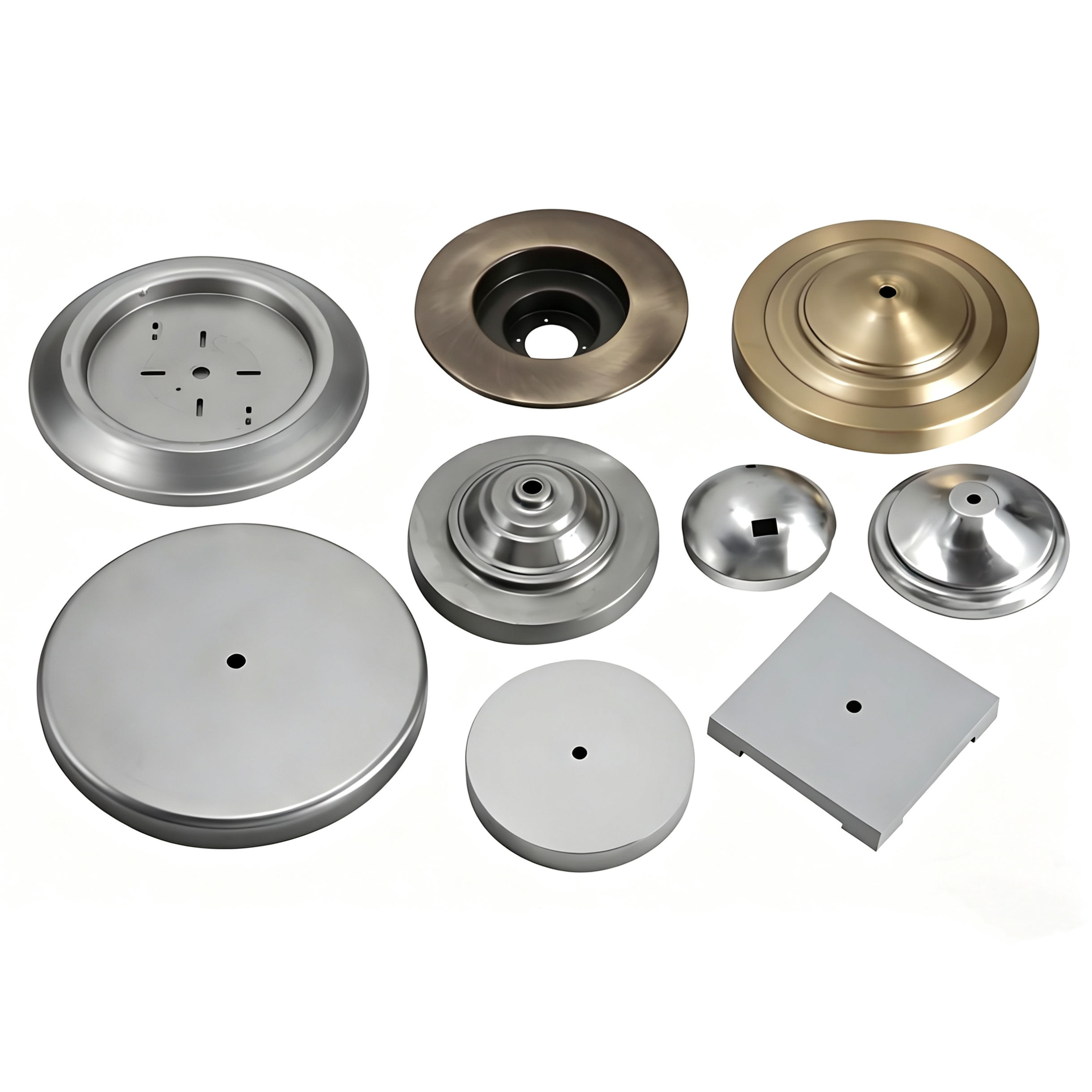
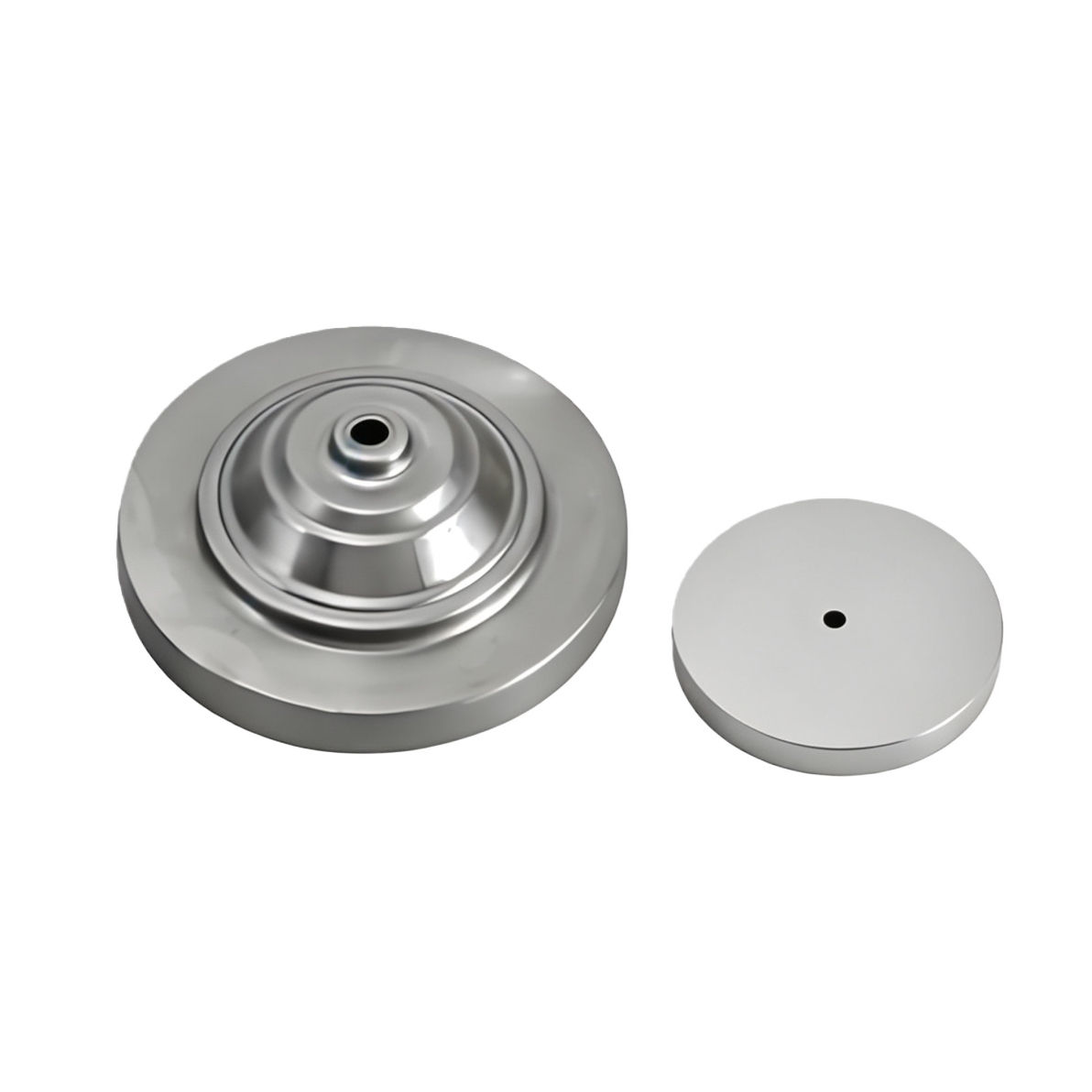
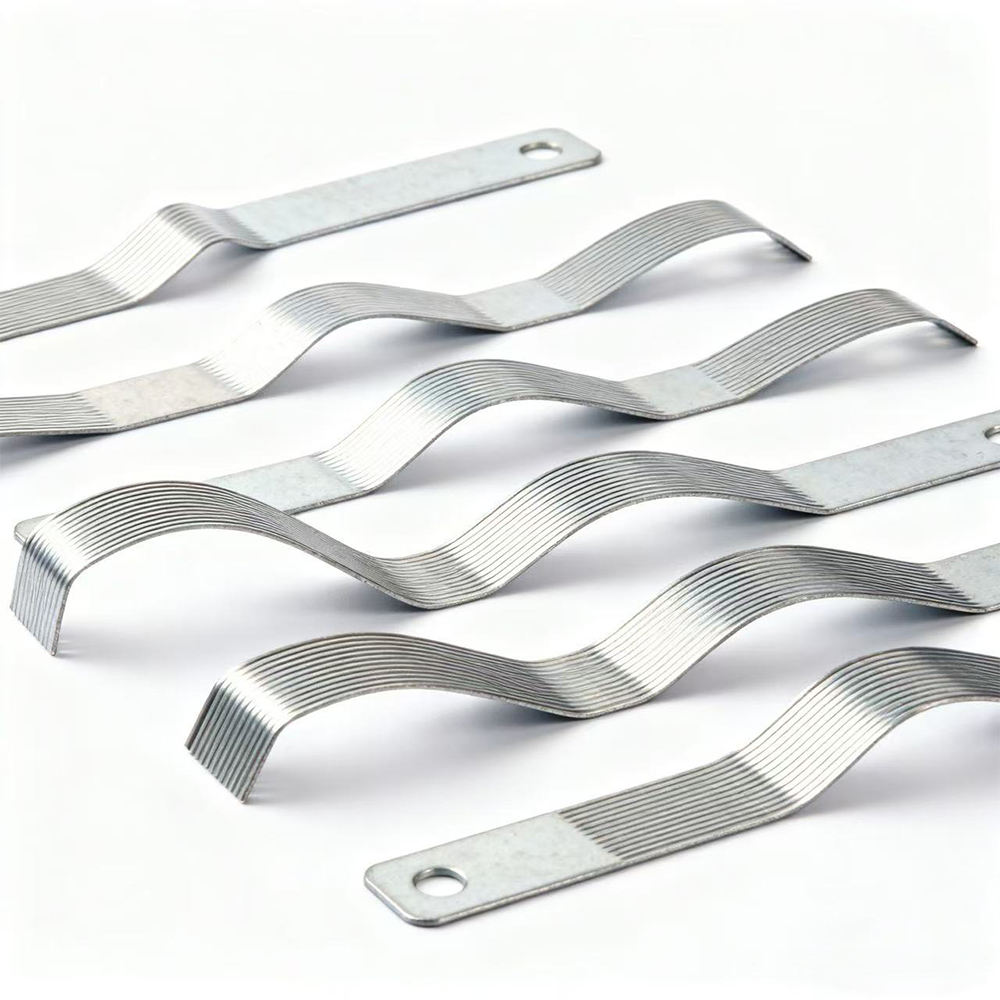
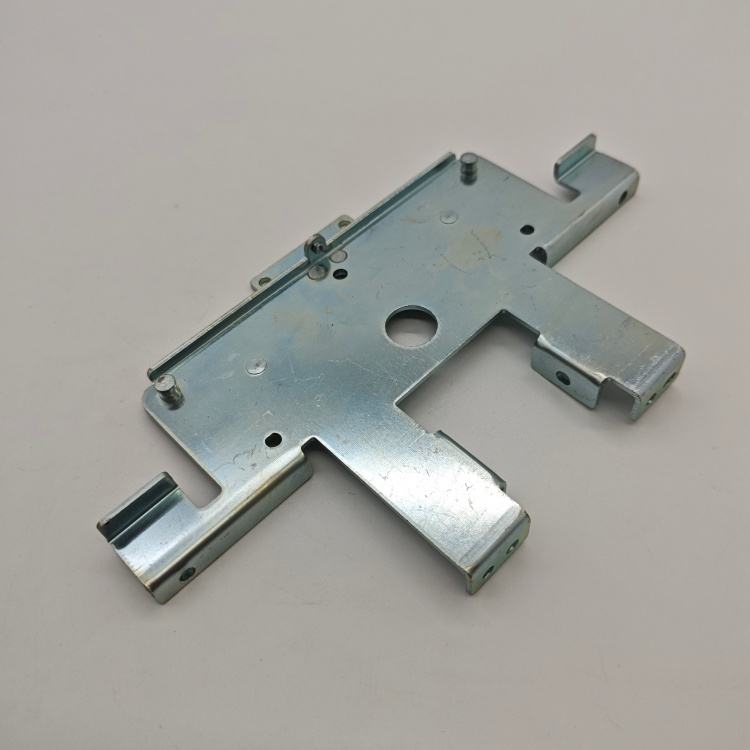
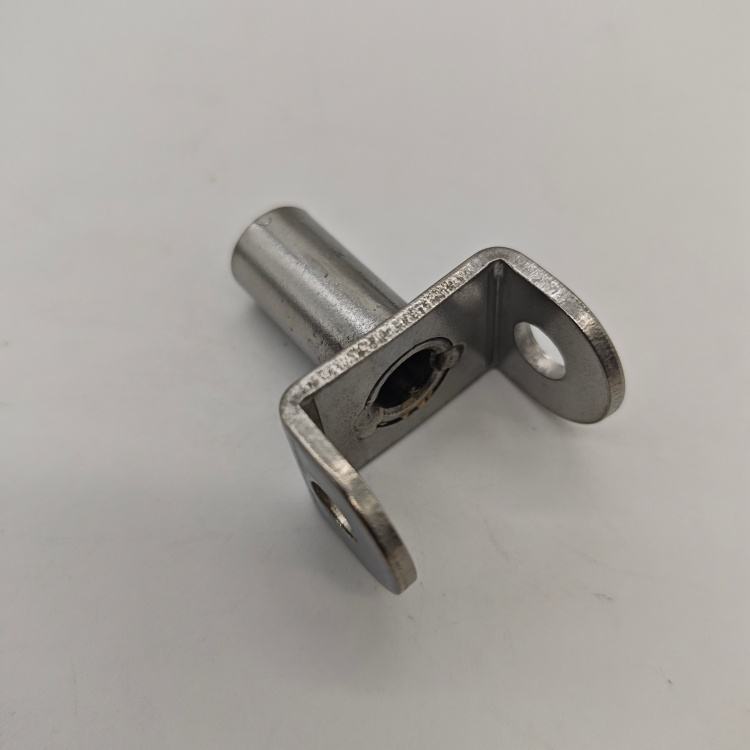
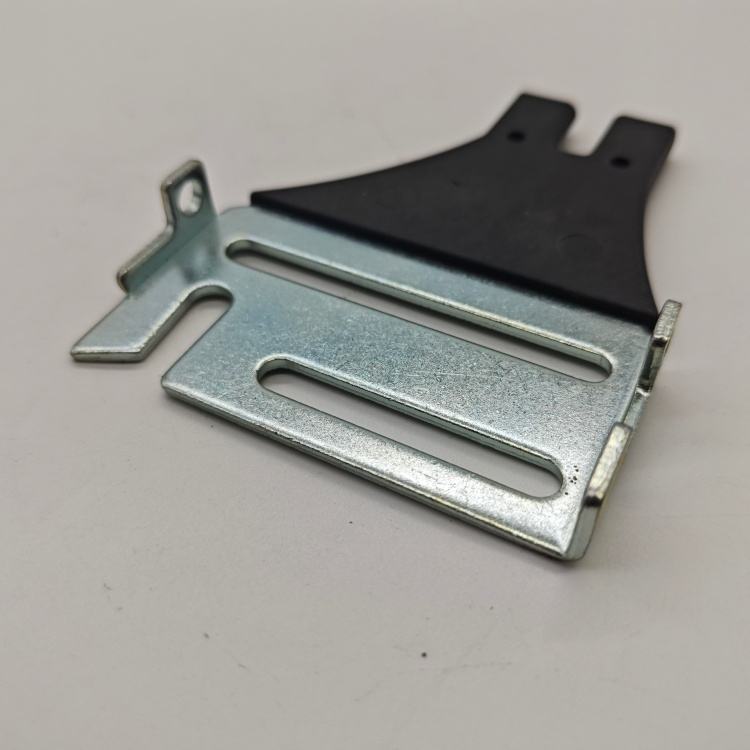
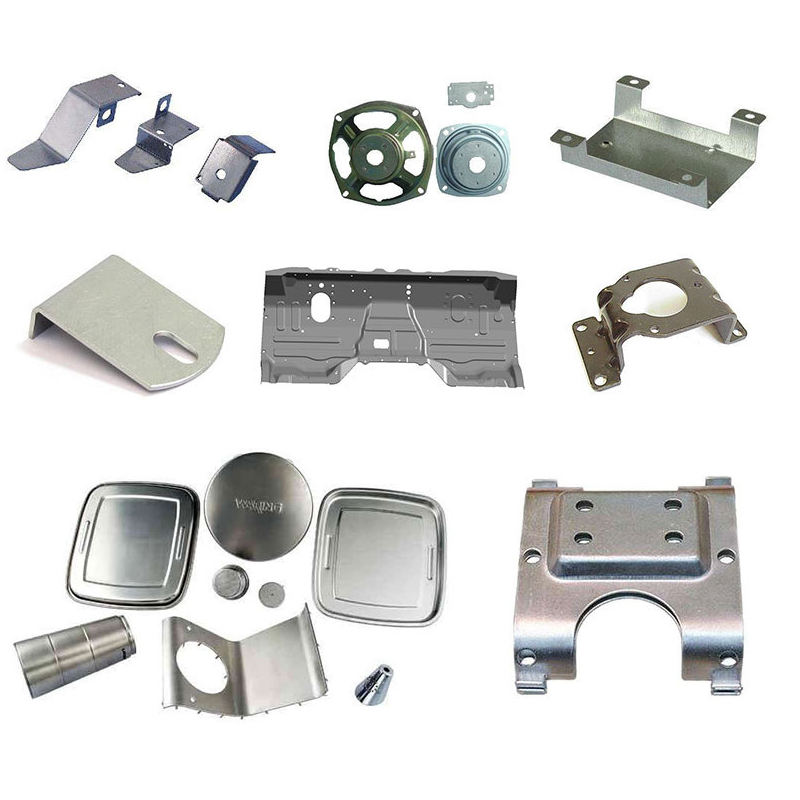
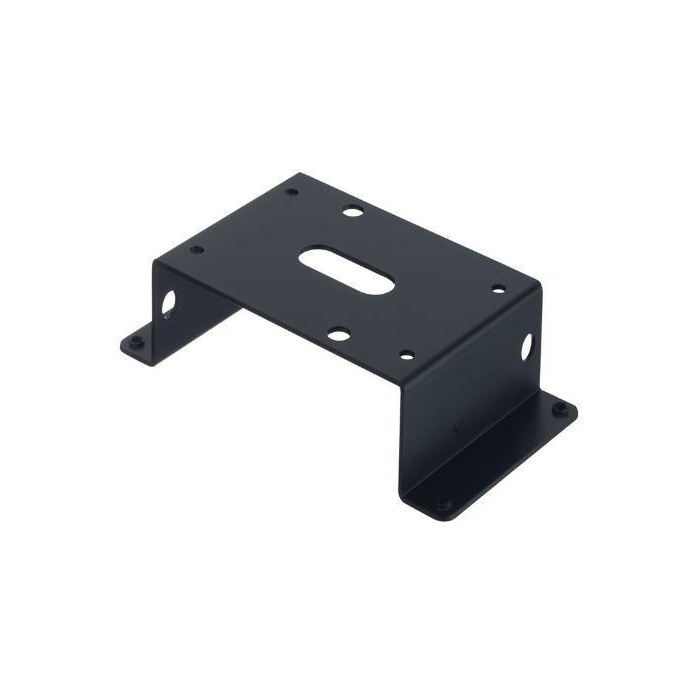
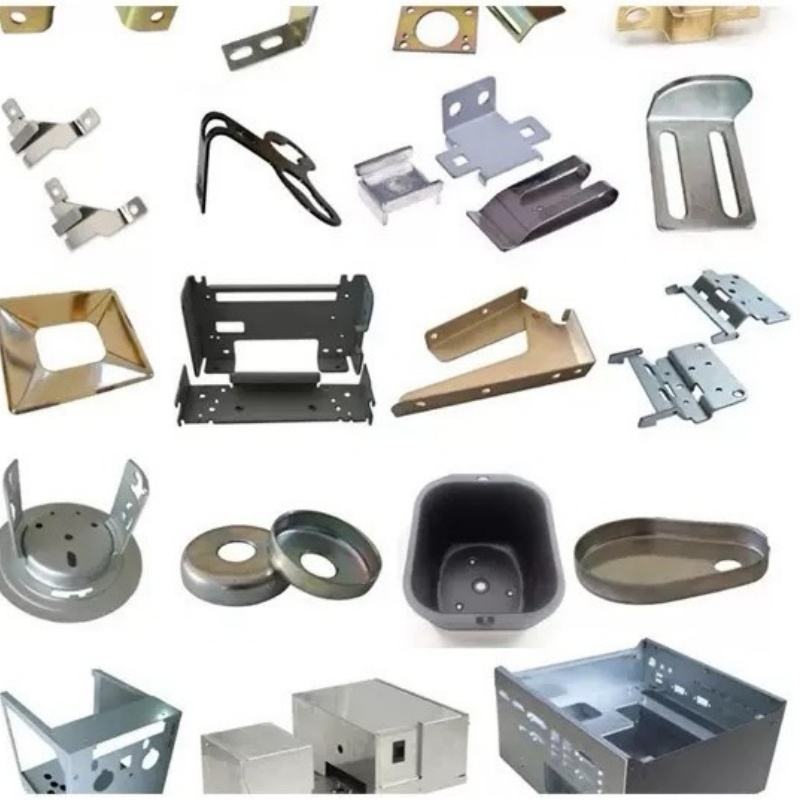
Changye offers comprehensive metal stamping capabilities with advanced tooling and precision engineering — from prototype development to high-volume production.
Changye stamped components are trusted across diverse industries for reliability and precision.
Everything you need to know about custom metal stampings — processes, materials, tolerances, pricing, and lead times.
Custom metal stamping is a manufacturing process that transforms flat sheet metal into specific shapes using specialized tooling and dies. It encompasses multiple forming techniques — including blanking, punching, bending, embossing, and coining — either independently or in combination. The process is widely used to mass-produce complex parts with high precision and low per-piece cost, serving industries from automotive and aerospace to medical devices and electronics.
The most common types include:
Progressive Die Stamping — A metal strip feeds through multiple stations, each performing a different operation (cutting, punching, bending). Ideal for complex geometries and high-volume production.
Deep Draw Stamping — Pulls sheet metal into a die to create cup-shaped or enclosed parts with depth exceeding diameter. Used for automotive parts, enclosures, and kitchenware.
Fourslide Stamping — Uses four horizontal sliding tools to form complex bends simultaneously. Best for small, intricate parts like electrical connectors.
Short Run Stamping — Uses minimal tooling for prototypes or small batches, offering the lowest upfront cost.
Common stamping materials include:
Carbon Steel (1008, 1010, 1018) — General-purpose, cost-effective, ideal for cold forming.
Stainless Steel (301, 304, 316/316L) — Corrosion-resistant; 316L offers the best corrosion performance.
Aluminum Alloy — Lightweight yet strong, for weight-sensitive applications.
Copper (C110) — Excellent electrical conductivity, easily formable.
Brass (230, 260) — Highly formable and corrosion-resistant, widely used for connectors and contacts.
Custom Alloys — Available on request for specialized applications.
Metal stampings are critical across diverse industries:
Automotive — Chassis components, door panels, seat belt buckles, brackets.
Aerospace & Defense — High-precision parts meeting strict military specifications.
Medical Devices — Surgical instruments, implants, pump components, housings.
Electronics — Connectors, contacts, shielding cans, battery terminals.
Industrial Equipment — Machinery components, gears, structural parts.
Consumer Products — Appliance parts, lighting fixtures, hardware.
Metal stamping offers several key benefits:
Low per-piece cost at high volumes — the more parts you produce, the lower the unit cost.
High repeatability — consistent quality across thousands to millions of parts.
Complex geometries — contours, bends, and features in a single operation.
Speed — once tooling is finalized, production is extremely fast (up to hundreds of parts per minute).
Material efficiency — optimized strip layouts minimize scrap waste.
Scalability — from low-volume prototyping to millions of production parts.
Precision metal stamping can achieve tolerances as tight as ±0.01 mm (±0.0005 in) depending on the material, part geometry, and tooling design. However, tighter tolerances increase cost and complexity, as they require more precise die iterations and stricter quality control. For most industrial applications, standard tolerances of ±0.05 mm to ±0.1 mm are typical. Regular check-fixture inspections ensure parts maintain specification throughout long production runs.
Progressive Die Stamping feeds a continuous metal strip through multiple stations within a single die. Each station performs a different operation — piercing, bending, cutting — and the part remains attached to the strip until the final cutoff. It is best suited for high-volume, medium-to-large parts like automotive components.
Fourslide Stamping uses four horizontal sliding tools that approach the workpiece from four directions simultaneously. This allows multiple bends in a single cycle with greater design flexibility. It excels at small, intricate parts like electrical connectors and spring clips, with lower tooling cost and faster setup.
MOQ varies by project complexity and stamping method:
Short run stamping: As low as 100–1,000 pieces — ideal for prototyping or market testing.
Medium volume: 100,000 to 1,000,000 pieces — balances flexibility with lower per-unit cost.
High volume: 1,000,000+ pieces — maximum cost efficiency as tooling cost is amortized across more parts.
Most stamping projects start at around 1,000 units to ensure cost-effectiveness. For smaller quantities, short-run stamping avoids the high upfront tooling investment.
Cost depends on several factors:
Tooling cost — The largest upfront investment. Progressive dies cost more but enable lower per-piece pricing at volume. Short-run tooling minimizes initial cost.
Material cost — Driven by material type, thickness, and market pricing of the metal.
Part complexity — More features, bends, and tight tolerances increase per-piece cost.
Volume — Higher volumes significantly reduce per-unit cost.
Secondary operations — Deburring, plating, coating, and assembly add cost but may be more efficient in-house.
For high-volume orders, per-piece cost can be extremely low (fractions of a dollar), while short-run parts may cost more per unit but avoid tooling investment.
Lead time consists of two phases:
Tooling & Design phase — Typically 4–10 weeks depending on part complexity. This includes CAD/CAM tool design, CNC machining, heat treatment, wire EDM, and tryout. Multiple die iterations may be needed to achieve final specifications.
Production phase — Once tooling is finalized, production is extremely fast. Progressive die stamping can produce hundreds of parts per minute. For example, a 500,000-piece order may take only 4 weeks in production after tooling is complete.
For short-run stamping, lead times can be as fast as 1–3 weeks since minimal custom tooling is required.
Send us your drawings, specifications, and requirements. Our engineering team will review your project and provide a customized manufacturing solution with competitive pricing and fast turnaround.