Address
No.34 Weimin Road,Dongcheng District,Dongguan City,Guangdong Province,China
Whatsapp
+86 13829129089
Address
No.34 Weimin Road,Dongcheng District,Dongguan City,Guangdong Province,China
Whatsapp
+86 13829129089
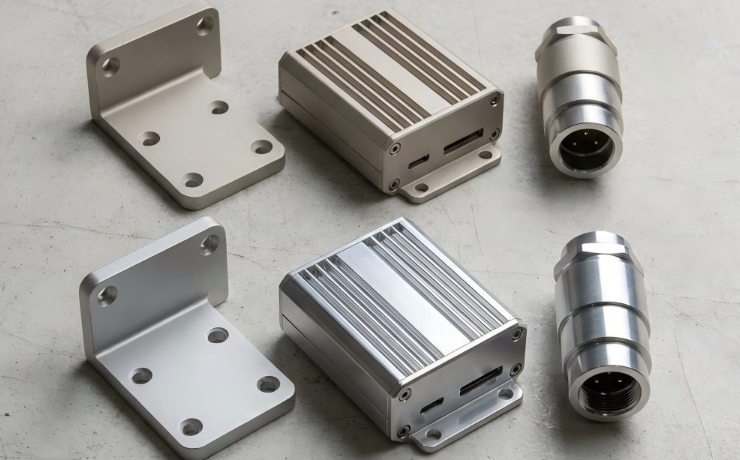
If you’ve ever tried to machine a medical needle, a thin-wall bracket, or a stamped detail so delicate it would flex under a milling cutter, you already know the problem: the moment a spinning tool touches the part, it pushes back. And for parts measured in tenths of a millimeter, that push is enough to ruin everything.
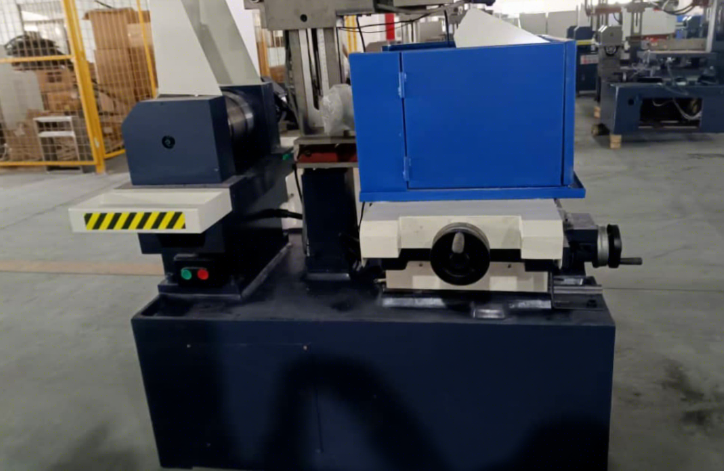
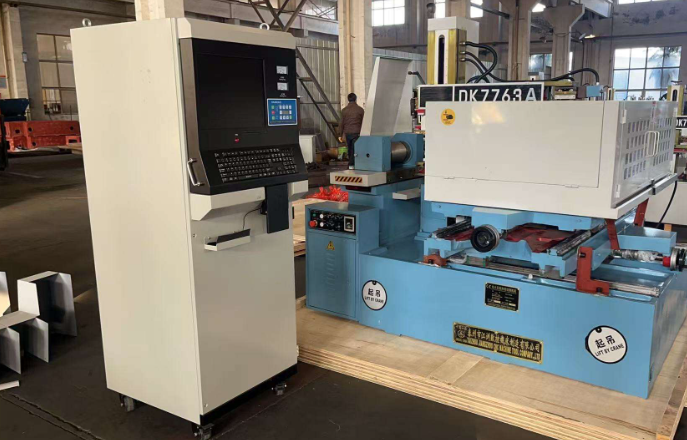
That’s the quiet superpower of wire EDM (Electrical Discharge Machining): it cuts metal without ever touching it. No blade. No pressure. No deformation. Just controlled electrical sparks removing material a microscopic sliver at a time. Let’s dig into why “zero force” matters more than you might think — and where it genuinely saves the day.
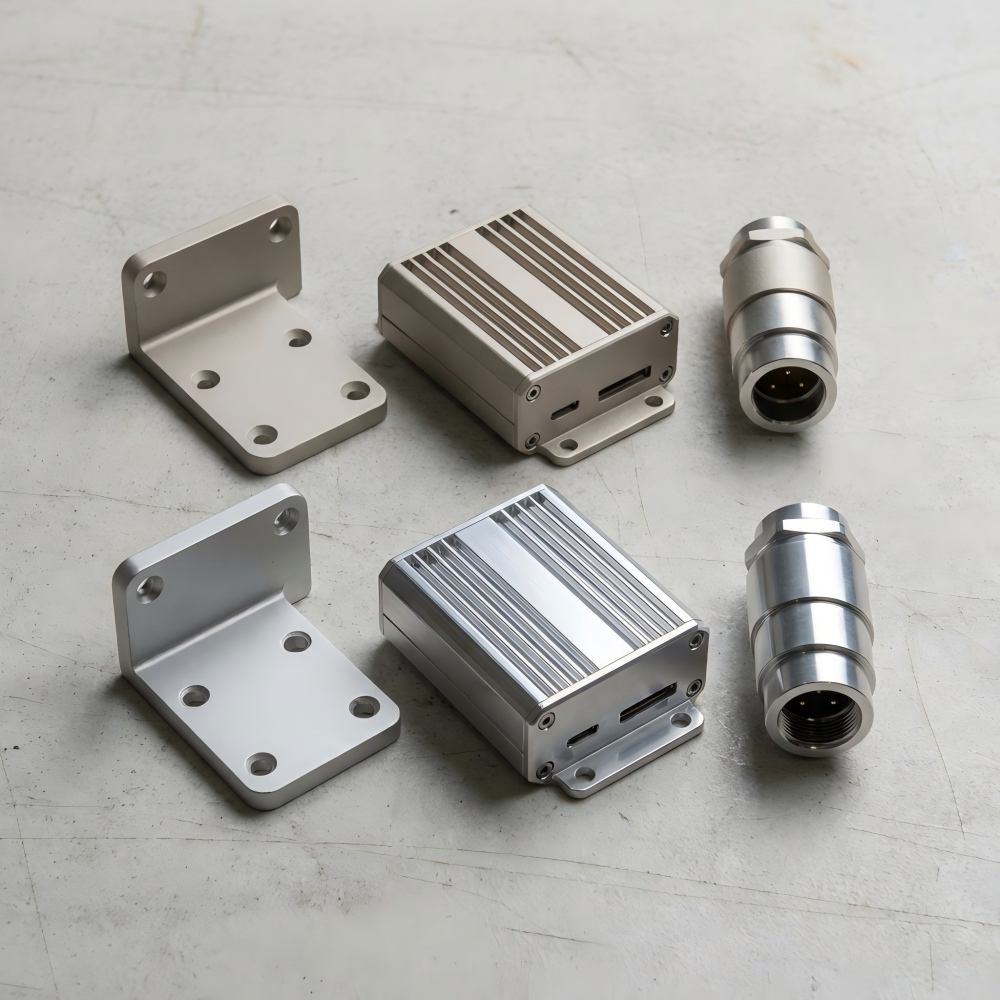
Picture slicing a stick of butter with a hot wire. The wire doesn’t press, grind, or shove — it simply melts a path through. Wire EDM works the same way, except the “wire” is a hair-thin brass or copper strand (usually 0.1–0.3 mm), and the “butter” is hardened steel, titanium, or carbide.
Instead of physical contact, a high-frequency spark jumps across a tiny gap of deionized water between the wire and the workpiece. Each discharge vaporizes a microscopic bit of metal. Because there’s no cutting tool bearing down on the part, there is literally no mechanical force acting on it. That single fact changes what’s possible.
Here’s what “no force” buys you in practice:
This is the method of choice when the part is valuable, the wall is thin, and the tolerance is unforgiving:
Like every process, wire EDM isn’t the answer to everything:
Can wire EDM really cut with zero force?
Effectively yes. The wire never contacts the workpiece — material is removed purely by spark erosion across a fluid gap, so there’s no mechanical load on the part.
What’s the thinnest part you can cut?
It depends on the setup, but wire EDM routinely handles features and walls well under a millimeter, including thin sheets cut together as a stack.
Does zero-force mean zero stress in the material?
The cutting itself introduces no mechanical stress. One nuance: a thin recast layer can form on the cut face — easily handled with a finishing pass or light post-process, which we cover in our burr-free finish guide.
If your part is thin, fragile, or just too delicate for a spinning tool — and your material conducts electricity — wire EDM is very likely your best friend. At Changye, our wire EDM cells hold ±0.005 mm and run untended for long stretches.